A homeowners association does not hire a chimney company the way a homeowner does. The board needs a vendor who can work through dozens of units on a schedule, leave one report the manager can file, and price it so the reserve study can carry the number. This post is for boards and managers around Riverside putting that vendor in place.
Whose chimney is it?
Before any proposal, read the CC&Rs. In many condo and townhome complexes the stack is common area, the firebox belongs to the unit, and the gas line splits somewhere between. Some associations own the whole chimney; some leave all of it to owners. That line decides who books, who pays and who receives the report.
We work either way, but the scope letter we send names which parts are association items and which are owner items, so nothing falls into the gap between them.
Points the proposal should settle
- Pricing basis. Per fireplace is the clearest. Ours is $52 per fireplace for a visual Level 1 and $370 for a Level 2 with the flue on camera. A lump sum for the complex hides how many units were actually seen.
- Missed units. How closed doors are logged, and when they are revisited.
- Repair approval. Common area repairs should need written board or manager approval, unit by unit, before any work.
- Report format. Ask for a sample page. One page per fireplace, with photos and a status, is the form a manager can file and a board can act on.
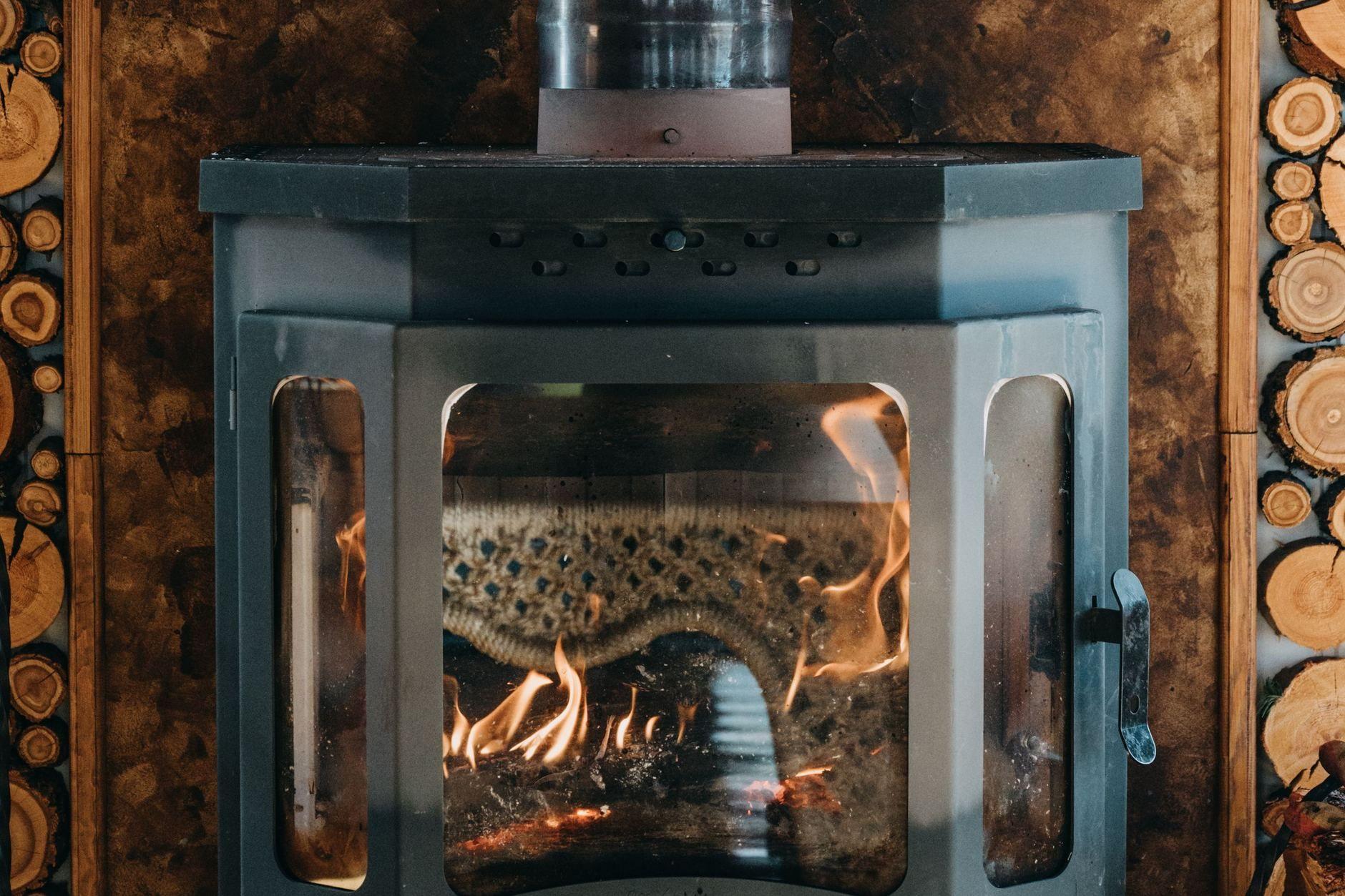
- Gas units. A complex full of gas fireplaces needs pilots, glass and terminations checked, not only chimneys.
- Records kept. Who holds the history if the management company changes.
- Roof access. Who holds the roof hatch keys, and which stacks need a tall ladder or a lift.
Building the reserve line
Reserve studies need a repeating cost. For chimney work, the pattern most boards settle on looks like this:
- A visual check of every fireplace every year, or on a fixed cycle.
- A camera run on a rotating share of flues, plus any unit being sold.
- A cap and crown line every several years, priced from the latest report.
With our list, the yearly line is the fireplace count multiplied out at $52. The camera line is the number of flues filmed that year at $370 each. Repairs come off the report as written prices and feed the next year's reserve line.
Give us the association name, the unit count and the share that burn gas, and we send a per fireplace proposal the board can vote on.
Scheduling a complex
A complex is worked by building or by court, never at random. We agree the order with the manager, the manager posts the entry notice, and we move through the units on the posted dates. Roof work on common stacks happens on the same days, so the roof is walked once.
Owner occupied units and rented units in the same complex often need different notices. The manager sends both; we supply a single schedule so the dates match whichever notice goes out.
Units that are not open get a door tag and a line on the missed list. The manager receives that list at the close of each working day, so owners can be contacted while we are still on site.
What the board receives
- A summary sheet: every unit, one line each, with inspection level, status and any repair price.
- A page per fireplace with photos and findings.
- A separate list of common area items, such as stacks, caps, crowns and flashing, each with a written price.
- Owner copies of their own unit page, if the board wants them sent.
Status words are plain: in service, in service with a note, or out of service pending repair. A fireplace marked out of service gets a tag at the hearth and a line in the manager's email that evening.
Liability and the paper trail
Boards ask about this more than anything else. A dated report per fireplace, a missed list, and a record of approvals for every repair is what shows the association acted as a reasonable board would. If a fire, a smoke complaint or a leak claim surfaces later, that file is the answer. We keep a copy too, so a manager who changes jobs does not walk off with the history.
Where the money usually goes
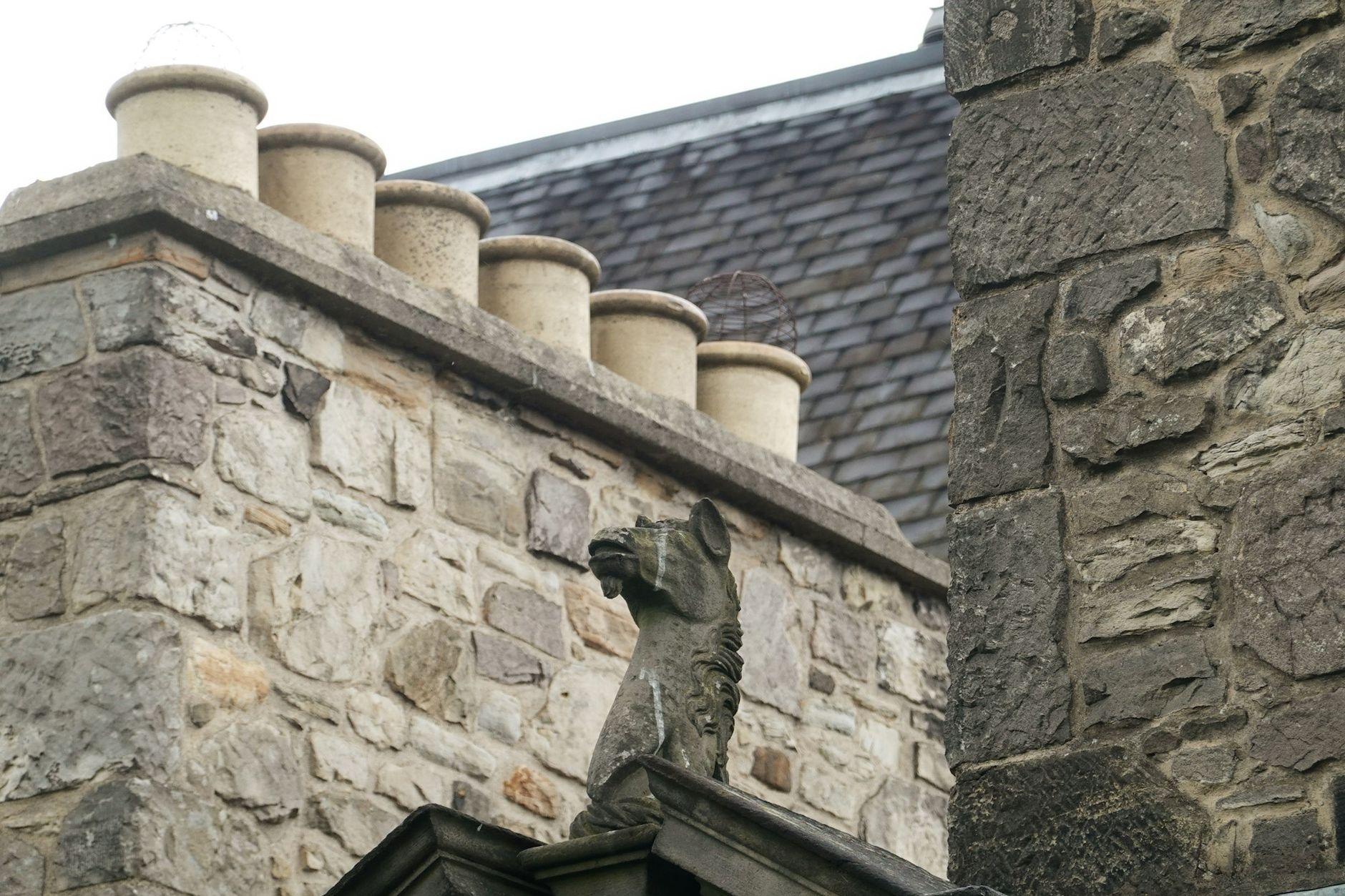
The most frequent repairs on complex reports in and around Riverside are caps on open flues, cracked crowns on older stacks, and gas units with a worn pilot assembly. The pages for cap installation, crown repair and gas fireplace repair describe each one. Older complexes with tall brick stacks may also see seismic retrofit on the list after a camera visit.
For how the gas checklist runs across a building, see our property manager and HOA page and the post on gas fireplaces in rental units.
Timing for an association
Boards meet on a calendar, so book the vendor decision for a spring or summer meeting. That leaves the round itself for September and October, before owners and tenants start lighting fires, and puts the report in front of the board at its next session with repair prices attached.
When the board is ready for a proposal, use the contact page. Include the number of buildings, the unit count and whether your documents make the chimneys common area, and we will write the scope to match.
Hand Us the Unit List
Jansen Chimney Company plans entry with you, visits every fireplace on the list and files a dated sheet per unit, with repairs priced for the owner to sign. Rentals in Riverside, Corona, Claremont, San Dimas and nearby cities.