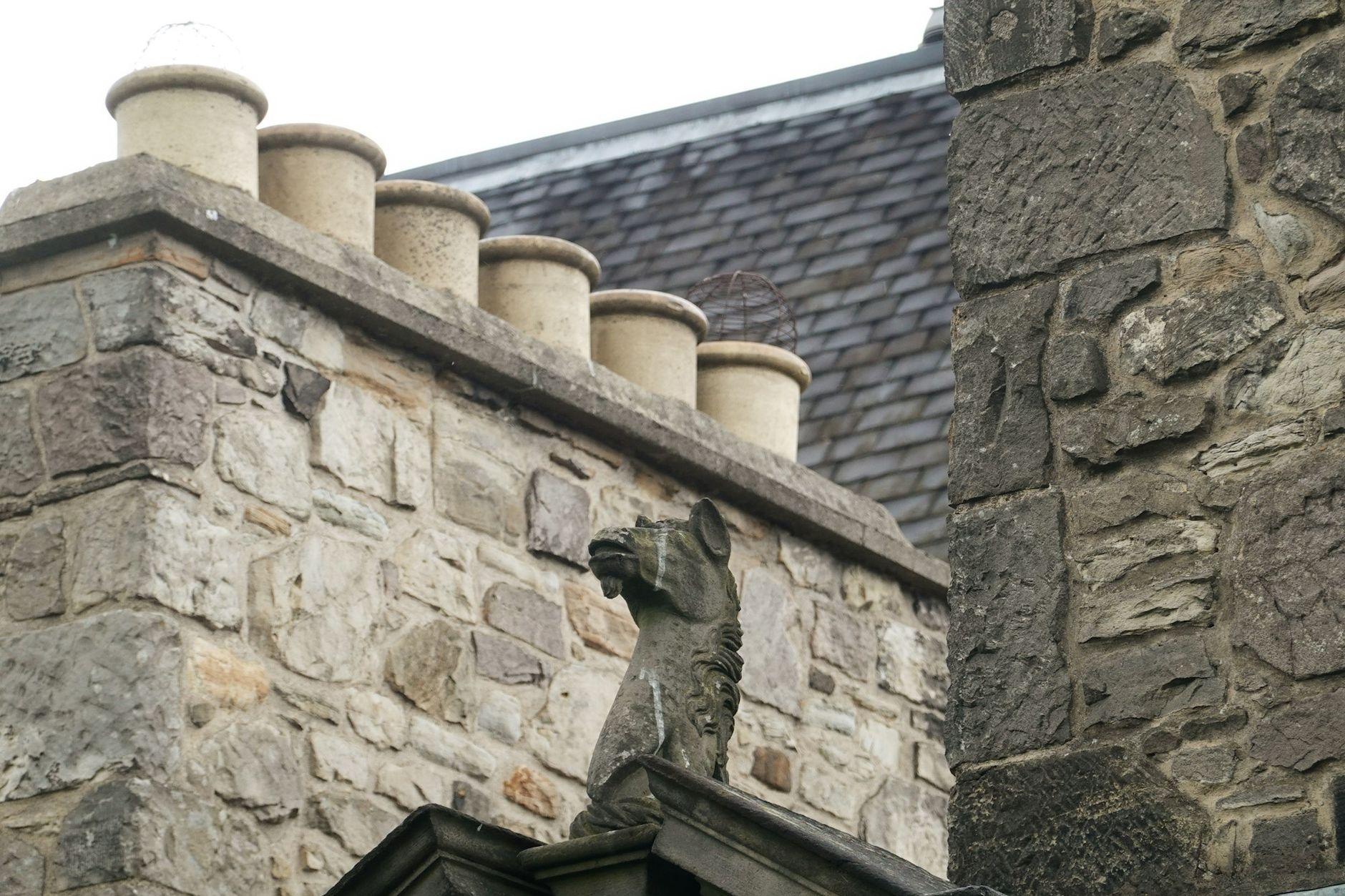
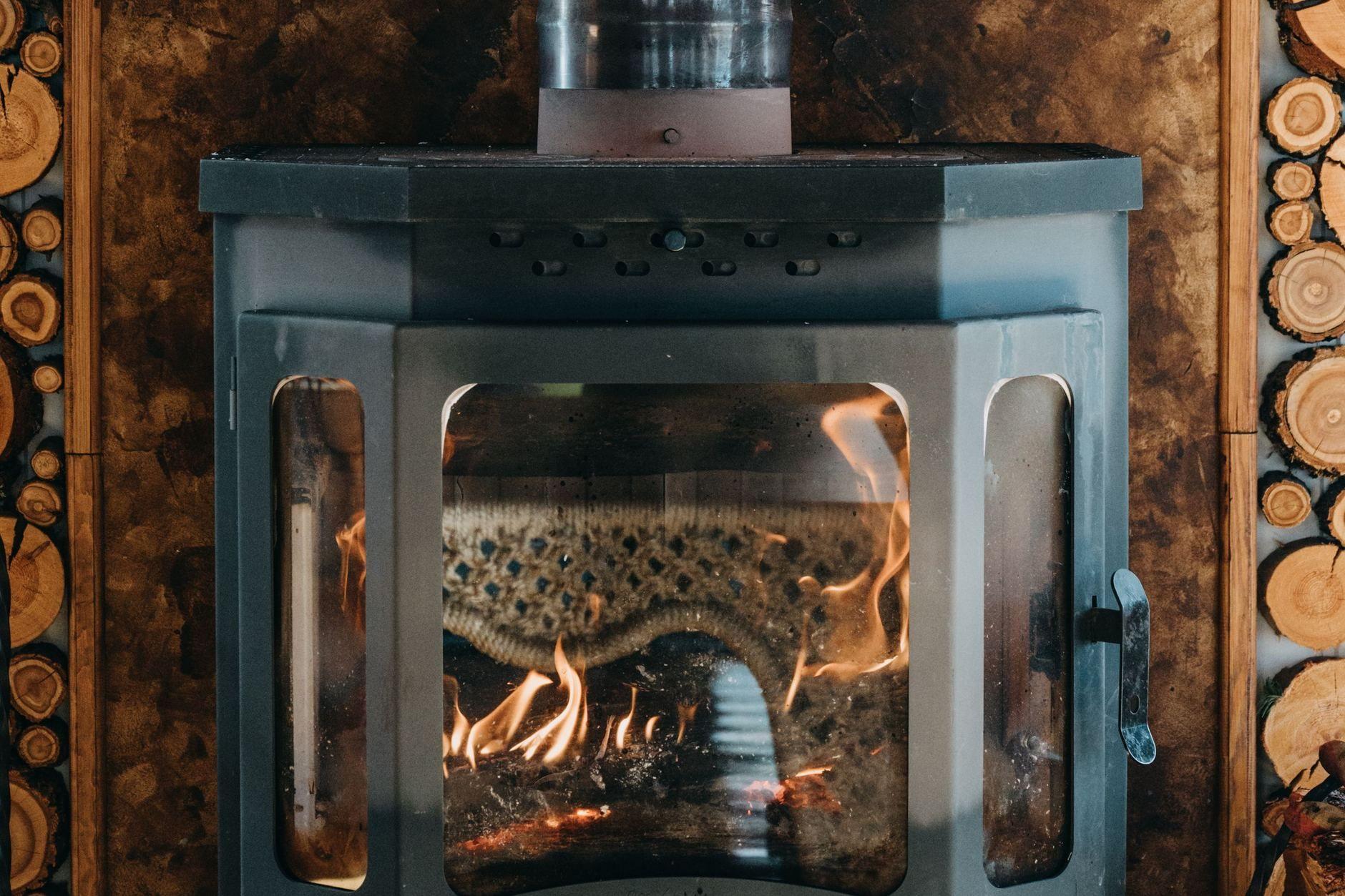
An open flue on a rented house tends to cost its owner twice: once when a nest or a soaked firebox turns into a tenant complaint, and again when the fix has to be squeezed in around the lease. A cap closes that opening for years. For owners and managers in Riverside and the cities around it, a cap is one of the shortest lines on a chimney report and one of the most frequent.
What a cap stops, in landlord terms
- Animals: birds, rats and raccoons treat an open flue as shelter. The tenant hears scratching or smells something dead, and the call comes to you.
- Rain: winter storms inland are few but heavy. Water down an open flue rusts the damper, stains the firebox and soaks the smoke chamber.
- Embers: Santa Ana winds blow through the Inland Empire every fall. A cap with spark screening holds embers in when a tenant lights a fire on a windy night.
- Downdraft: a hood over the flue blunts the wind that pushes smoke back into the room.
Any of these can end up as a habitability complaint or an insurance question, which is why caps rank so high for rental owners.
What sets the cap price
We measure the top before we give you a cap figure. Caps differ because the caps themselves are different products, and the chimneys under them differ even more. What sets your cap price:
- The number of flues. A stack with one flue takes a small cap; a stack carrying a fireplace flue and a furnace flue may need one cap covering the whole top.
- The size and shape of the flue tile, which sets the cap size.
- Material. Galvanized steel costs least and rusts first; stainless lasts; copper is chosen for looks.
- Prefab metal chimneys, which need the cap their maker lists for that model. A generic cap is not an option there.
- Roof height and pitch, and tile roofs that need extra care underfoot.
- Whether the crown under the cap is sound enough to fix to.
Describe the chimney tops and how many houses are involved, and we set up a visit to each roof, then send a written figure per property.
Caps across a portfolio
Owners with several rented houses do well to cap them in one round. Each house gets a visual check at the same visit, $52 per fireplace, so the cap goes onto a chimney we have looked at, not one we hope is sound. A cap fixed to a cracked crown has to come off again when the crown is repaired, and that doubles the labor.
On a round, we:
- Photograph each chimney top before any work.
- Measure each flue and order caps to suit.
- Fit them on a second visit, photograph them in place, and record the material and size on each property's report.
Two visits sounds slower, but every cap fits the first time and your file shows the before and after for each address.
Older rentals sometimes carry a cap fitted long ago that has since rusted, bent or lost its screen. A cap in that state is treated as missing on the report. We replace it rather than patch it, because a screen wired back on rarely survives another windy season.
When the cap is not the whole answer
Sometimes we reach the roof and the cap is the smallest of the problems. Frequent companions:
- A crown cracked through, which lets water in around the flue even with a cap on. See crown repair.
- Flashing pulled away where the stack meets the roof. See flashing repair.
- A rusted top on a framed chimney that holds water. See chase covers.
The report separates these from the cap, each with its own written price, so you can fit the cap now and plan the rest for drier months. If water is already showing indoors, our post on chimney leaks in rental units covers how the source is found.
Tenants and access
Most cap work happens on the roof and needs nobody inside. We still tell the tenant the date through you, because ladders against a house and people overhead surprise anyone. If we need to look in the firebox, we ask for the unit to be open for a short window and say so in the schedule.
What goes on file
The report for each property shows the cap material and size, the date it went on, and photos from the ground and from the roof. That page goes in the property file and answers the insurer or buyer who asks, years later, whether the chimney was ever capped. For owners in the wildfire belt, the photo of the spark screen is the page most often requested.
Timing for Riverside rentals
Late summer is the sensible window. The roofs are dry, the Santa Ana season is ahead, and the first storms are still weeks away. Caps fitted in August or September are in place before either arrives, and before tenants start lighting fires. Houses near the hills, where brush runs close to the back fence, are the ones to cap first.
For full detail on the job itself, see the cap installation page. For what a failed inspection usually asks for, caps included, see up to code repairs.
When you have a list of addresses, put it through the contact page with a note on how many chimneys each house has. We reply with a range per property and a date for the roof visits.
Hand Us the Unit List
Jansen Chimney Company plans entry with you, visits every fireplace on the list and files a dated sheet per unit, with repairs priced for the owner to sign. Rentals in Riverside, Corona, Claremont, San Dimas and nearby cities.