Tenants light a gas fireplace with a switch and forget it exists until the pilot will not catch on the first cold night. For an owner or manager in Riverside with ten or forty of these units, that first cold night is when the calls arrive, all at once. A service round in early fall turns those scattered calls into one dated report.
What sits behind the glass
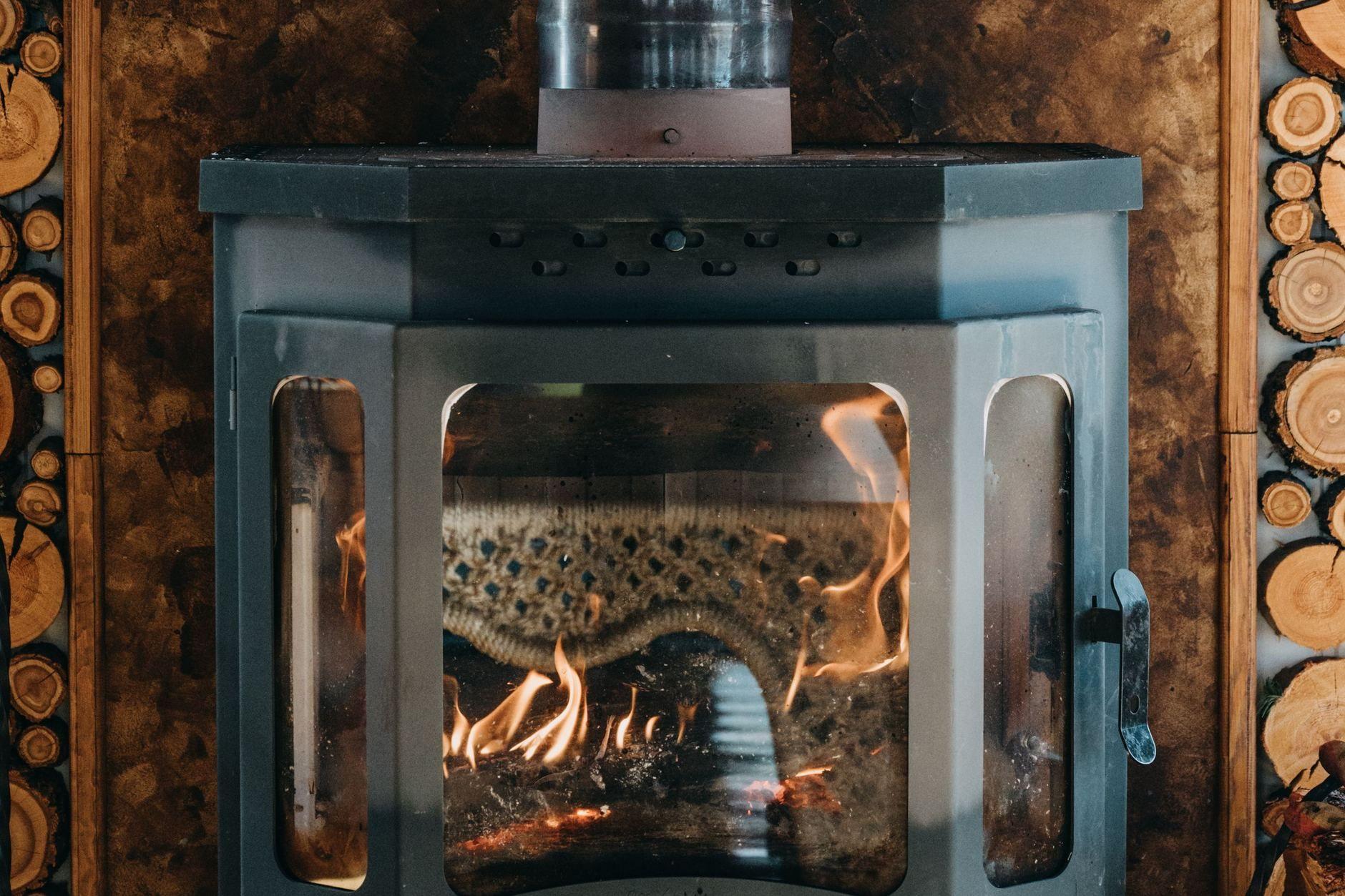
Most gas fireplaces in apartments, condos and newer rental houses around Riverside are sealed boxes. The glass is fixed, the logs are ceramic, and exhaust leaves through a pipe in the wall or roof rather than up a brick chimney. Older buildings add a few log sets placed inside wood fireboxes, and now and then an insert fitted years after the building went up.
Each type has its own weak points:
- Sealed boxes: the gasket on the glass, the termination cap outside, and the pilot assembly.
- Log sets in a masonry firebox: whether the damper is locked open, whether the logs sit where the maker placed them, and soot on the brick above the opening.
- Inserts: the liner up the old chimney and the joint at its base.
We record which type sits in each unit, because the next owner, manager or insurer will ask.
The round, unit by unit
On a service round the technician works through the same list in every unit, so the report reads the same from the first door to the last:
- Shutoff valve found, tagged and turned to prove it still moves.
- Pilot and ignition tested: does it catch, does it hold, how long does it take.
- Burner ports cleared of dust, lint and spider webs.
- Ceramic logs or media checked for cracks and set back in the maker's pattern.
- Glass taken off, cleaned, and its gasket looked over for gaps.
- Outside termination checked for nests, damage, and distance from windows and decks.
- Unit run for several minutes while we note flame color and height, with a carbon monoxide meter reading written into the record.
- Tenant told how the unit was left: in service, or tagged off with a reason.
Price and what changes it
Gas fireplace servicing has no fixed figure on our published list, so each building gets its own written number before the round starts. That number depends on:
- How many units have gas fireplaces, and how many different types are mixed in.
- Whether the glass fronts come off with a few clips or need a full panel removed.
- How the termination caps are reached: from the ground, a ladder, or the roof.
- Whether the round is paired with chimney inspections on any wood units.
Where a building also has wood fireplaces, those come off our list: $52 per fireplace for a visual Level 1, $370 for a Level 2 with the flue on camera. Send the building address and a count of gas units and we come back with a written figure for the round.
Parts found on the round
Every round turns up a few units that need parts. Typical ones are a tired thermocouple or thermopile, a pilot hood burned thin, a cracked glass front, or a remote receiver with flat batteries.
We do not swap parts during the round without your sign off. The report lists each unit with a finding, the part it needs and a written price. You approve per unit, and we return for those units alone. That keeps the invoice matched to your approvals and gives your bookkeeper a clean trail per door.
If a unit smells of gas or the carbon monoxide reading is high, we close the gas to that fireplace, tag it out of service, tell the tenant, and reach you before we leave the building.
Scheduling around tenants
Rounds go smoothly when tenants know the date well ahead. We give you a date window by building and floor, and you send the entry notice your leases and state law call for. Units where nobody answers get a door tag and go on a return list.
Pets, blocked hearths and furniture against the glass are the usual reasons a unit is skipped. A line in the entry notice asking tenants to clear the fireplace front saves a second trip, and a second notice.
What you get after the round
The report has one page per unit: unit number, make and model where the label can be read, what we did, what we found, the meter reading, and photos of the burner, the glass and the outside cap. A summary sheet at the front lists every unit on a single line with its status, so a board or owner can see the whole building at a glance.
For HOAs and larger portfolios, our property manager and HOA page sets out the multi building version. The scope for a single unit is on the gas fireplace cleaning page, and parts and faults are on the gas fireplace repair page. If you are weighing a sealed insert for an old wood opening, the fireplace inserts page explains the options.
Why early fall
In Riverside the heat runs well into October, then the nights turn cold quickly. Most tenants try their fireplace for the first time around Thanksgiving. Servicing in September or October puts every unit in order before that first switch is flipped, and it moves the repair calls from your phone to our report.
Inspections on the wood units in the same building fit the same round; the pricing for those is set out in our post on rental chimney inspection prices.
Book the round through the contact page, with the address of each building and the number of gas units in it. We set a date and send you a schedule you can attach to the tenant notice.
Hand Us the Unit List
Jansen Chimney Company plans entry with you, visits every fireplace on the list and files a dated sheet per unit, with repairs priced for the owner to sign. Rentals in Riverside, Corona, Claremont, San Dimas and nearby cities.